With the 2025 Flux Congress just around the corner, the Flux Trainee Committee is excited to spotlight some of your fellow attendees through our trainee research profiles. If you’re a trainee—whether a student, post-bacc, or postdoc—and would like to be featured, we invite you to fill out our interest form!
At Flux, we are committed to nurturing the next generation of researchers who are shaping the future of developmental cognitive neuroscience. In our new Trainee Spotlight series, we will highlight the achievements, aspirations, and contributions of outstanding trainees within our community. These young scientists are not only pushing the boundaries of research but also embodying the spirit of collaboration and innovation that drives our field forward.
Today, we are excited to introduce Aaron Barron. Let's dive into their journey, insights, and what motivates them to make a lasting impact in developmental cognitive neuroscience.
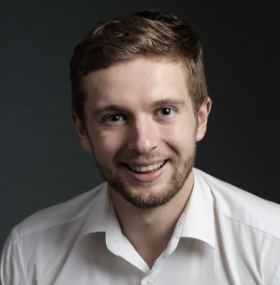
Aaron Barron
Postdoctoral Researcher, University of Turku
What is the focus of your research?
The role of the immune system, metabolism, and environmental chemical exposure in human brain development.
What is your most interesting research finding or inquiry so far?
That maternal levels of ubiquitous man-made chemicals called PFAS are very strongly associated with multiple aspects of brain structure in children.
What do you enjoy doing when not working on your PhD?
Too many things to be honest! My favourite hobby is probably reading, but I also love music, travelling, spending time with friends, running, and gym, and I'm currently learning piano and Finnish.
Do you have any advice for early-stage trainees?
Don't rush your research! Take your time, learn things properly, study, plan in detail, get advice from people you trust before starting new projects and analyses. In the end, this saves you time from not having to redo everything, and you will feel much more confident about your work, too. I learned this the hard way.
Most useful resource that you would recommend to other trainees in developmental cognitive neuroscience?
The most obvious answer for anything neuroimaging-related is Andy's Brain Book, hosted by Andrew Jahn from the University of Michigan. Otherwise, I think it depends on your exact area of learning or research.
Are you presenting at the Flux meeting in Dublin?
Yes!
Is there anything else you would like to share with the Flux community?
Mostly, I'm just here to learn and get new ideas, and meet new people.
Please list any social media accounts / personal websites that you would like us to highligh aaronbarron.bsky.social
https://www.linkedin.com/in/aaron-barron-77a67514a/
https://www.researchgate.net/profile/Aaron-Barron?ev=hdr_xprf
https://www.instagram.com/subsahaaronbarron/
aaronbarron.bsky.social